
Overview
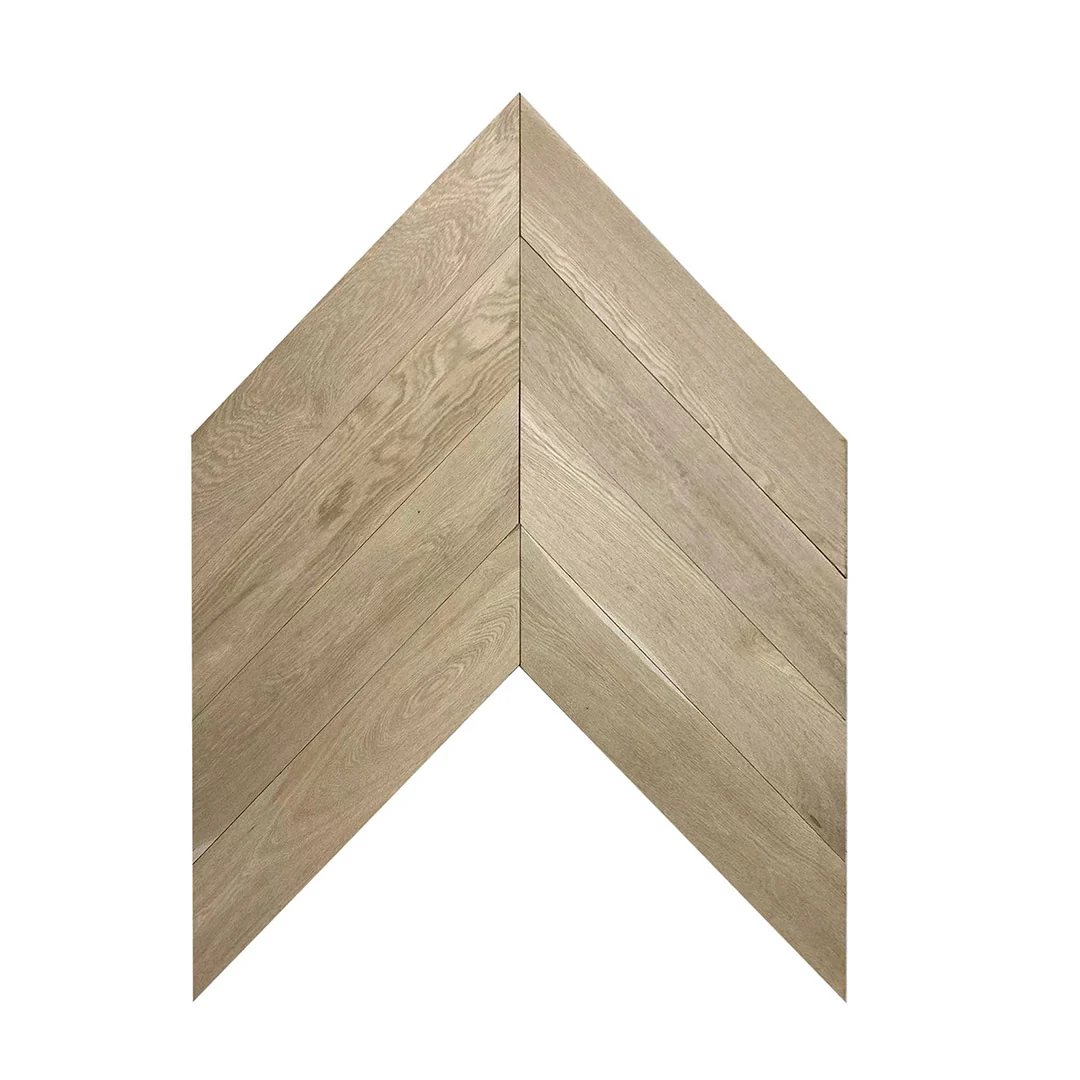
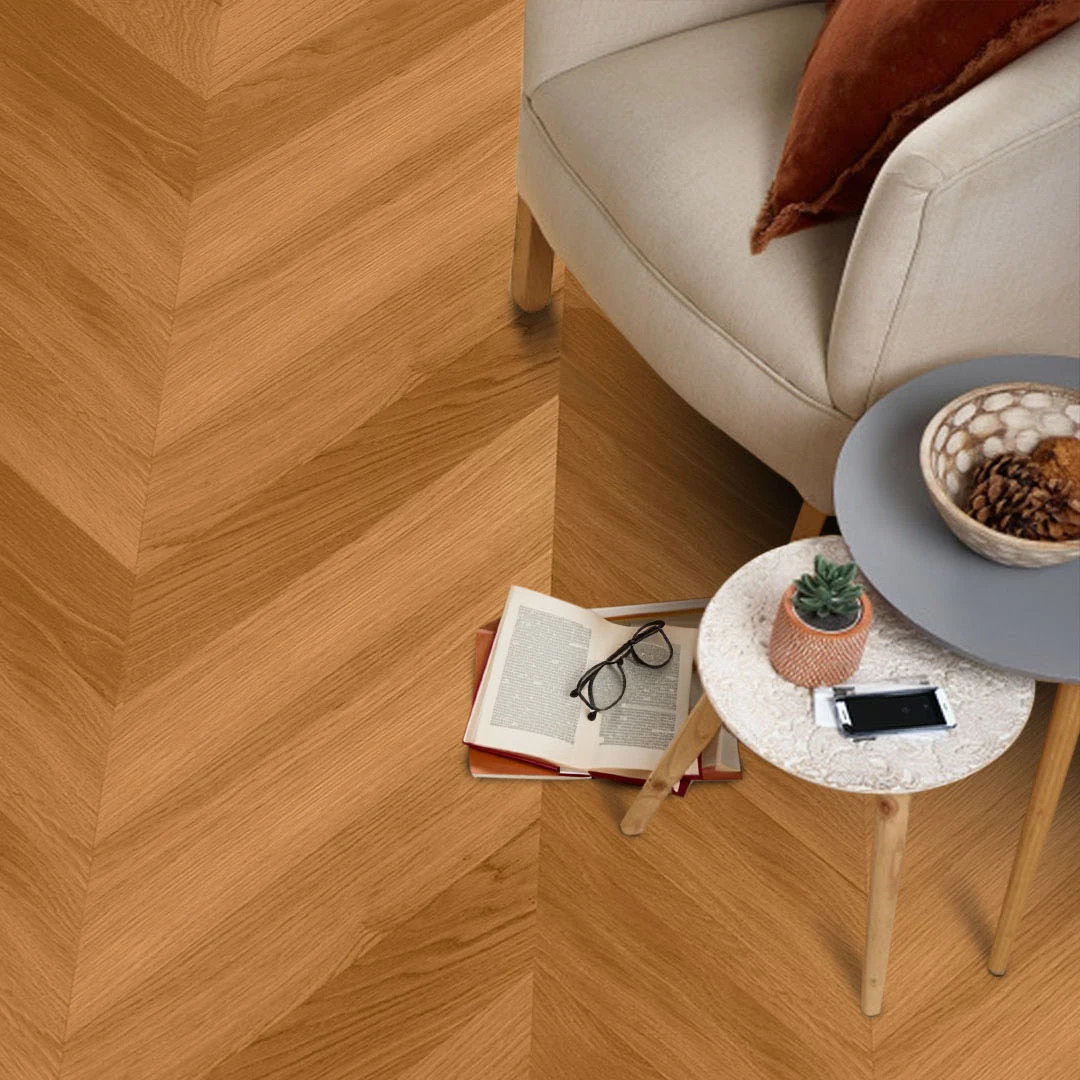
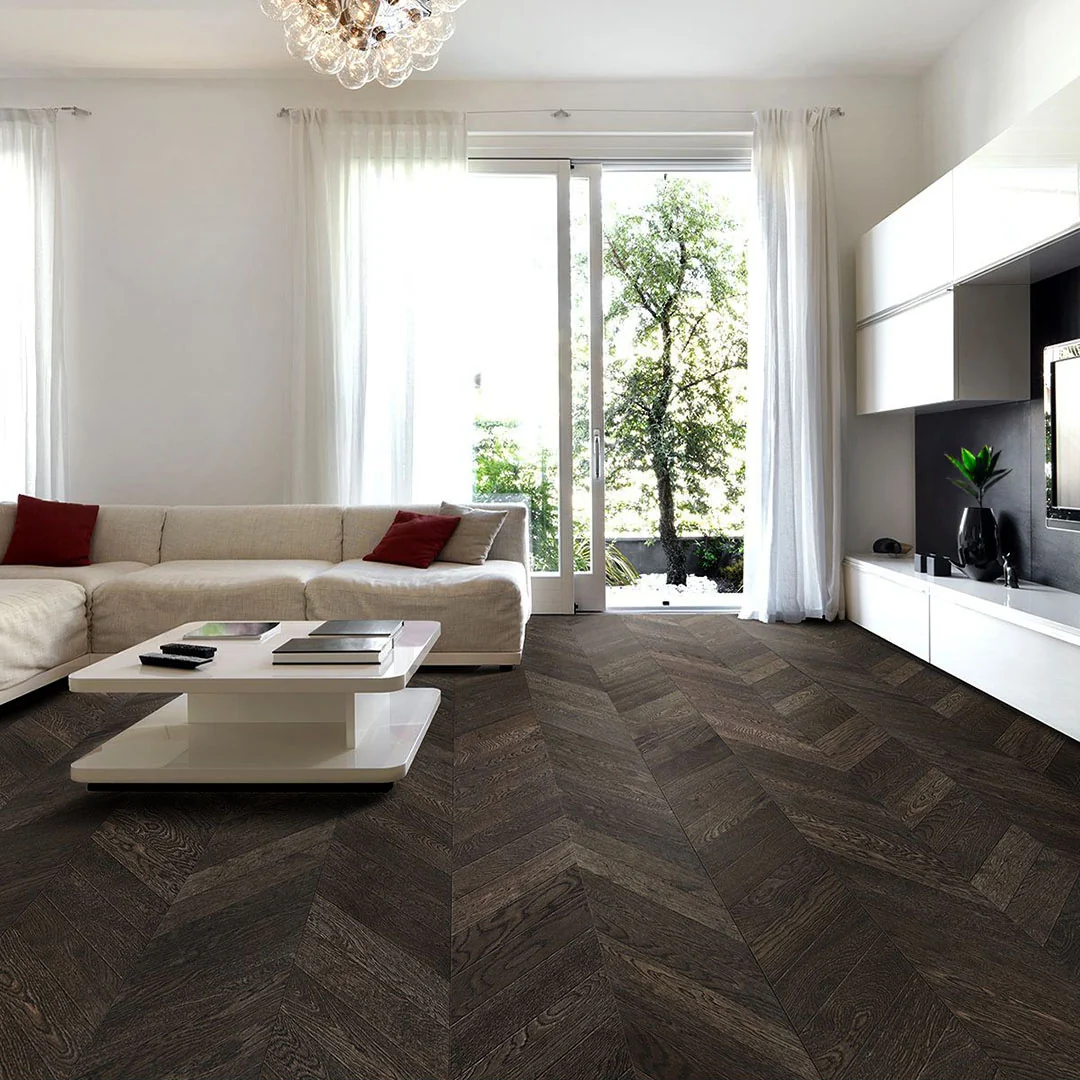
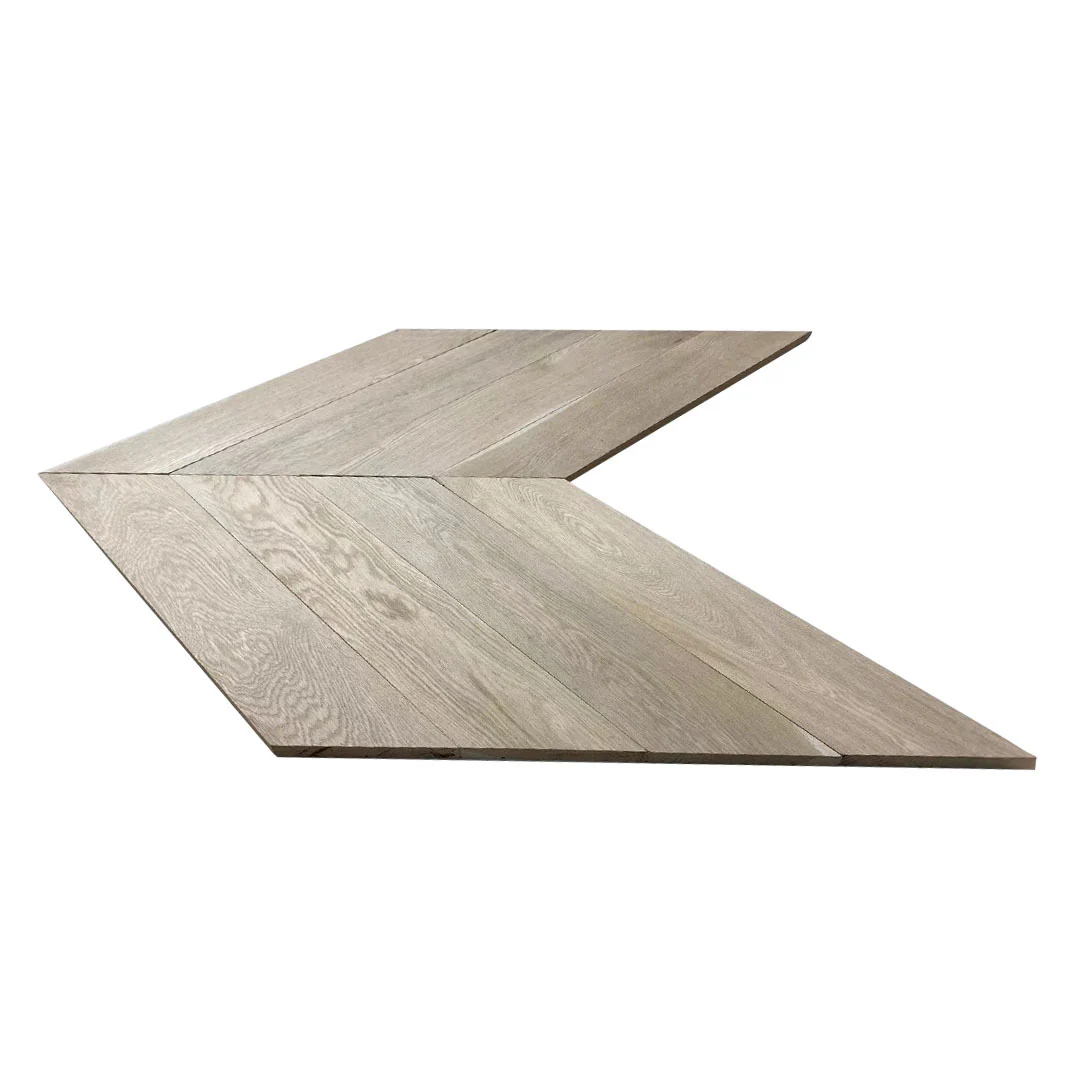
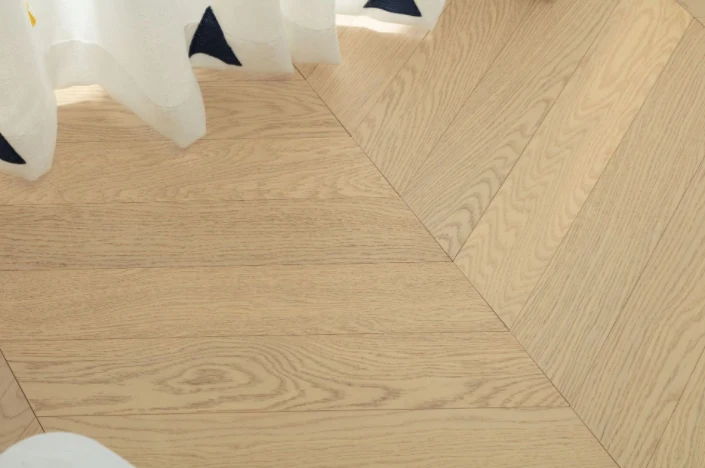
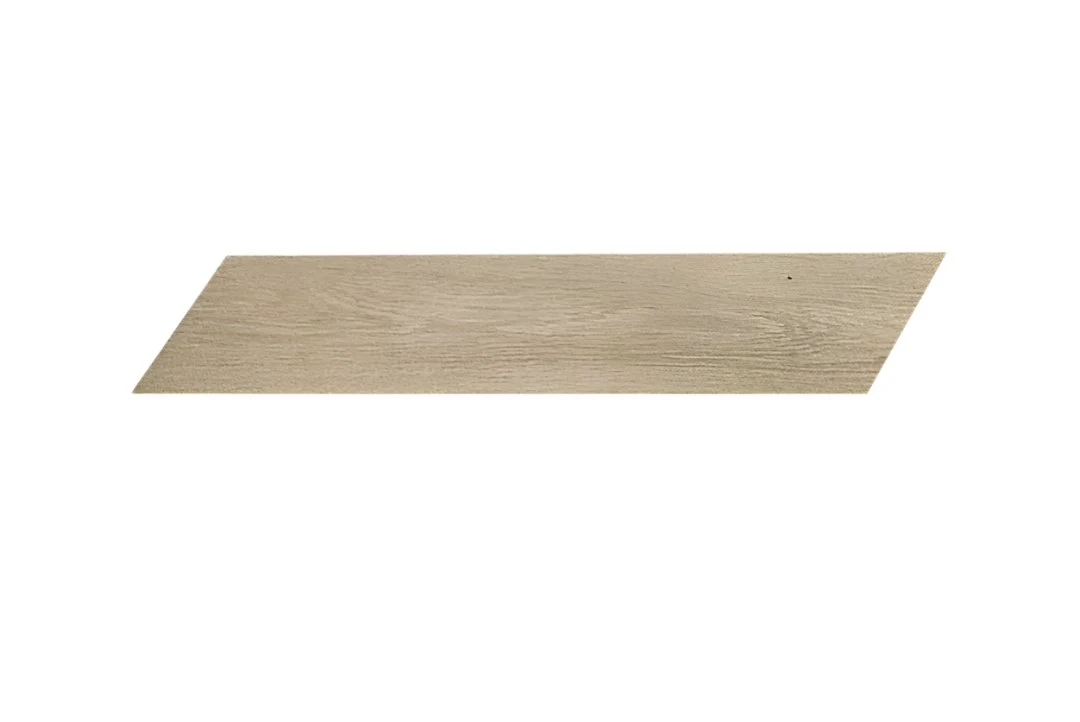
Chevron is the refined cousin of herringbone. The blocks have angled ends, so when they're laid the ends meet along a straight centre line and form a continuous V. The effect is crisp and directional – it leads the eye down a hallway or across a room.
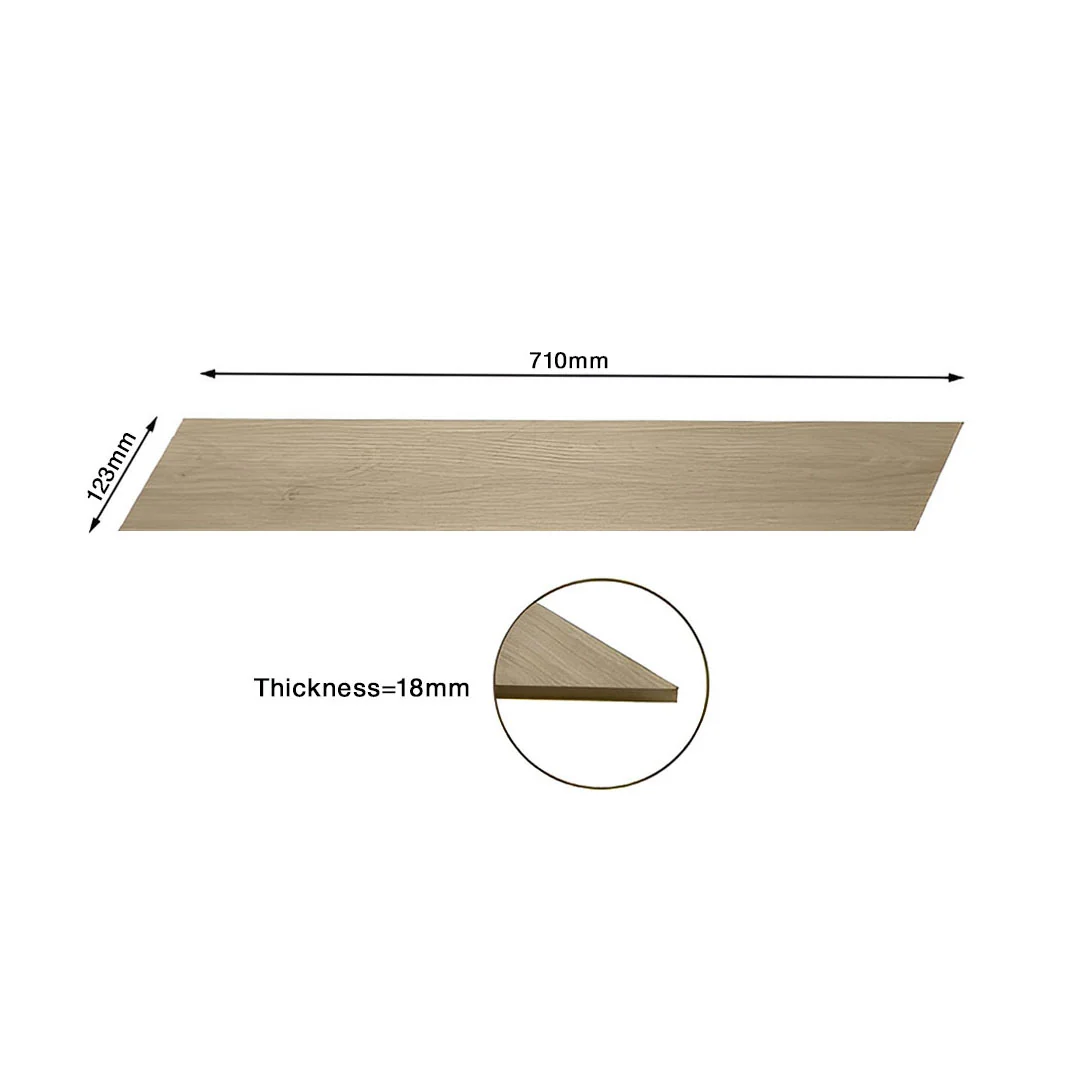
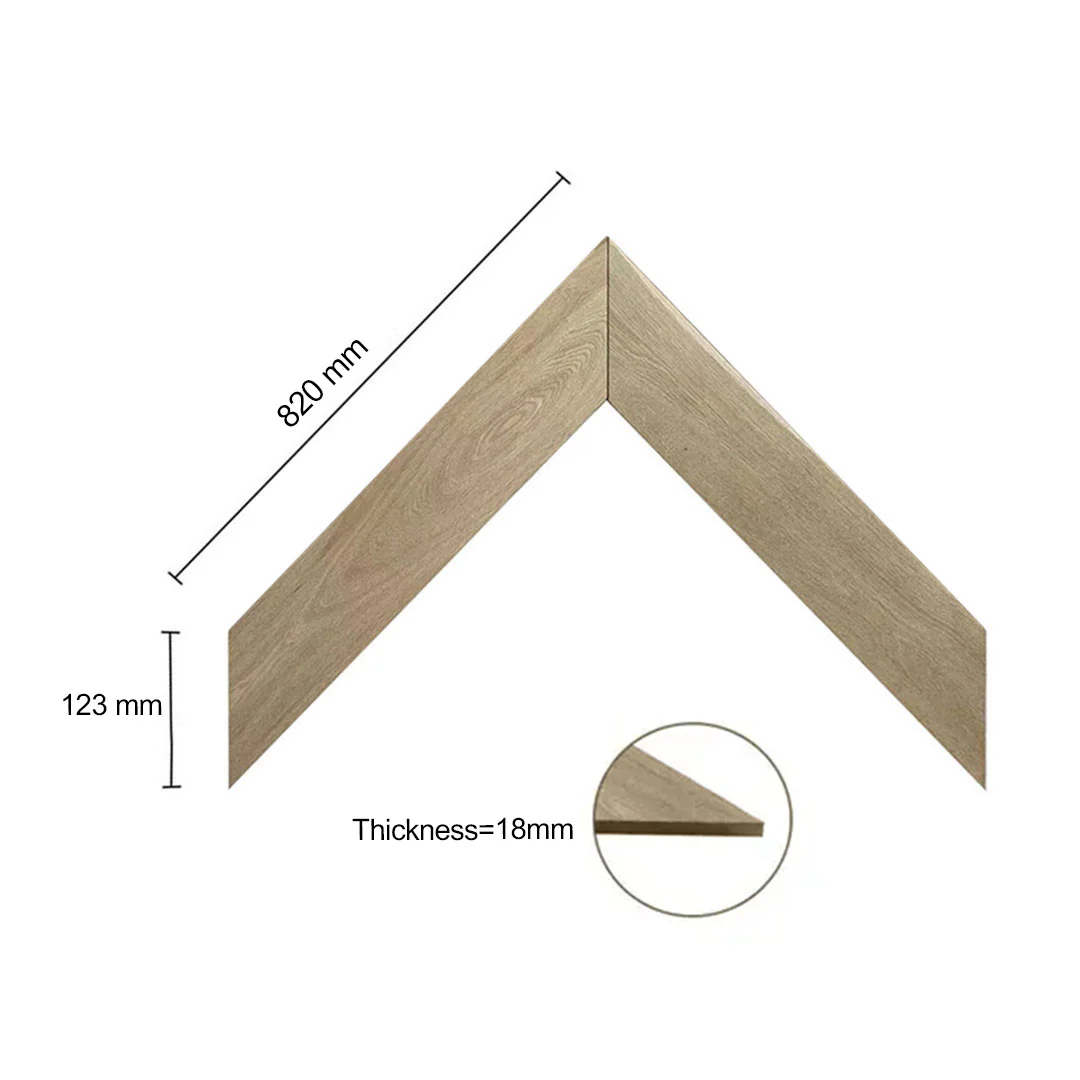
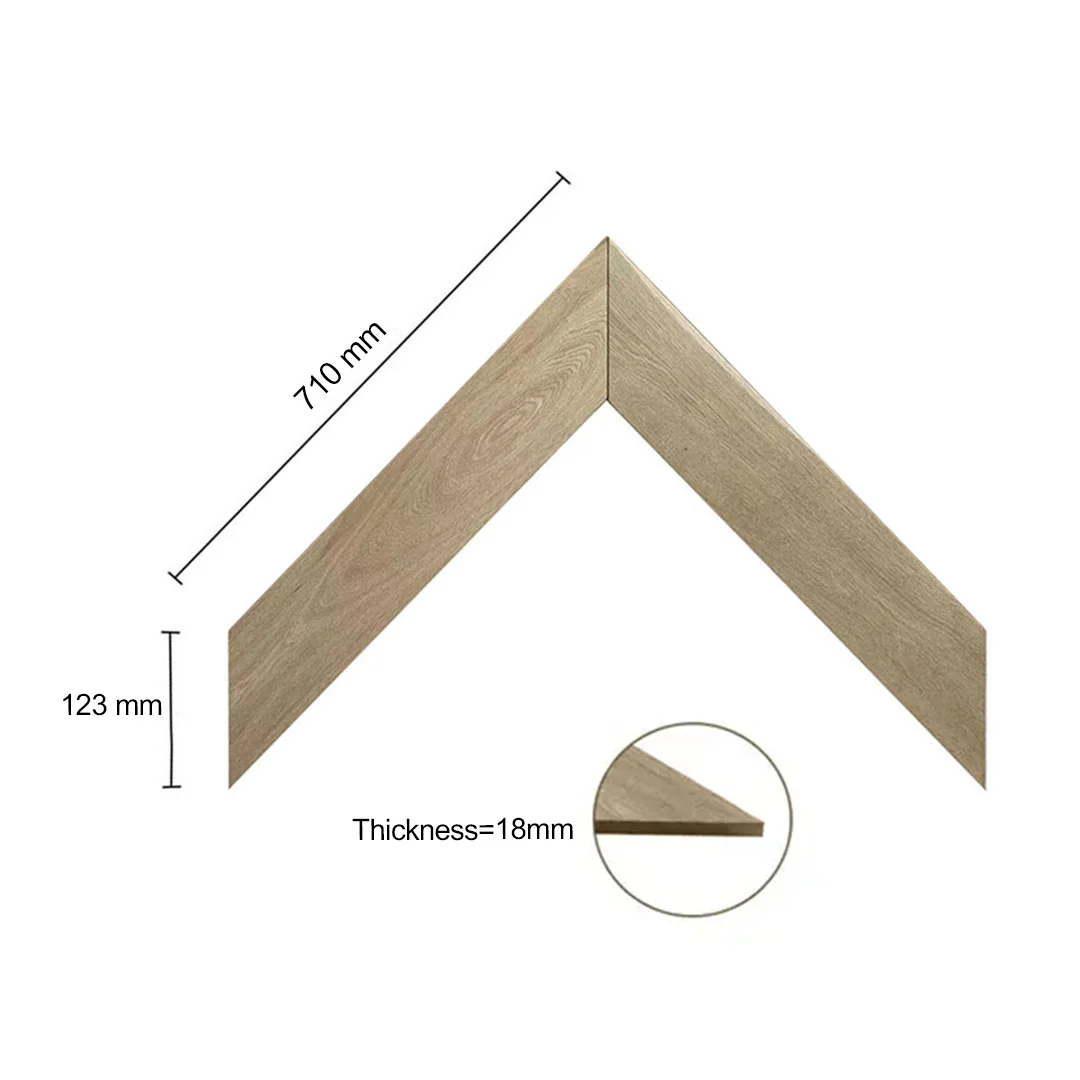
Timbo chevron parquet is milled from Prime grade European oak as 18mm solid blocks, so the floor can be sanded and refinished many times.
Where chevron works best
- Hallways and entries, with the V pointing along the corridor.
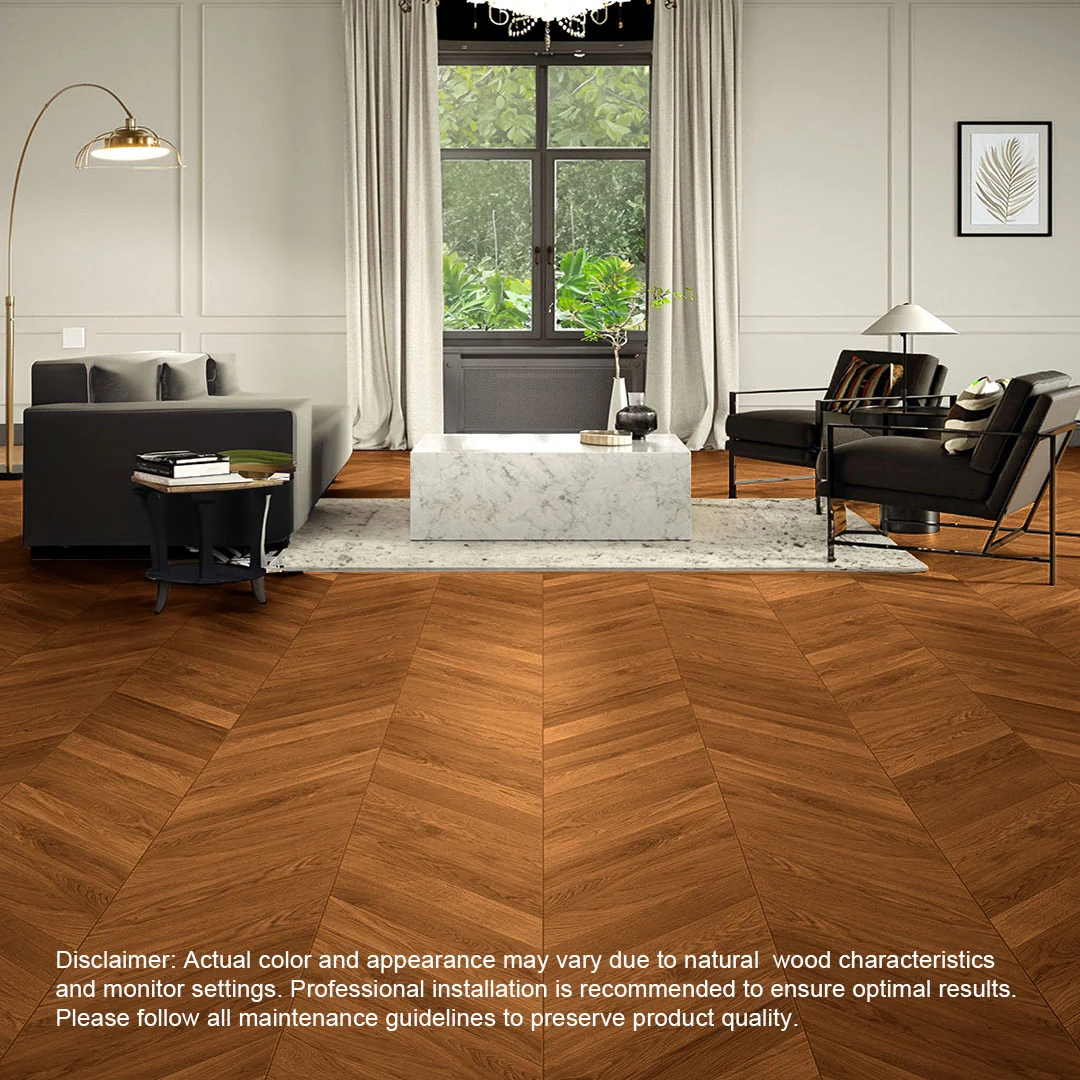
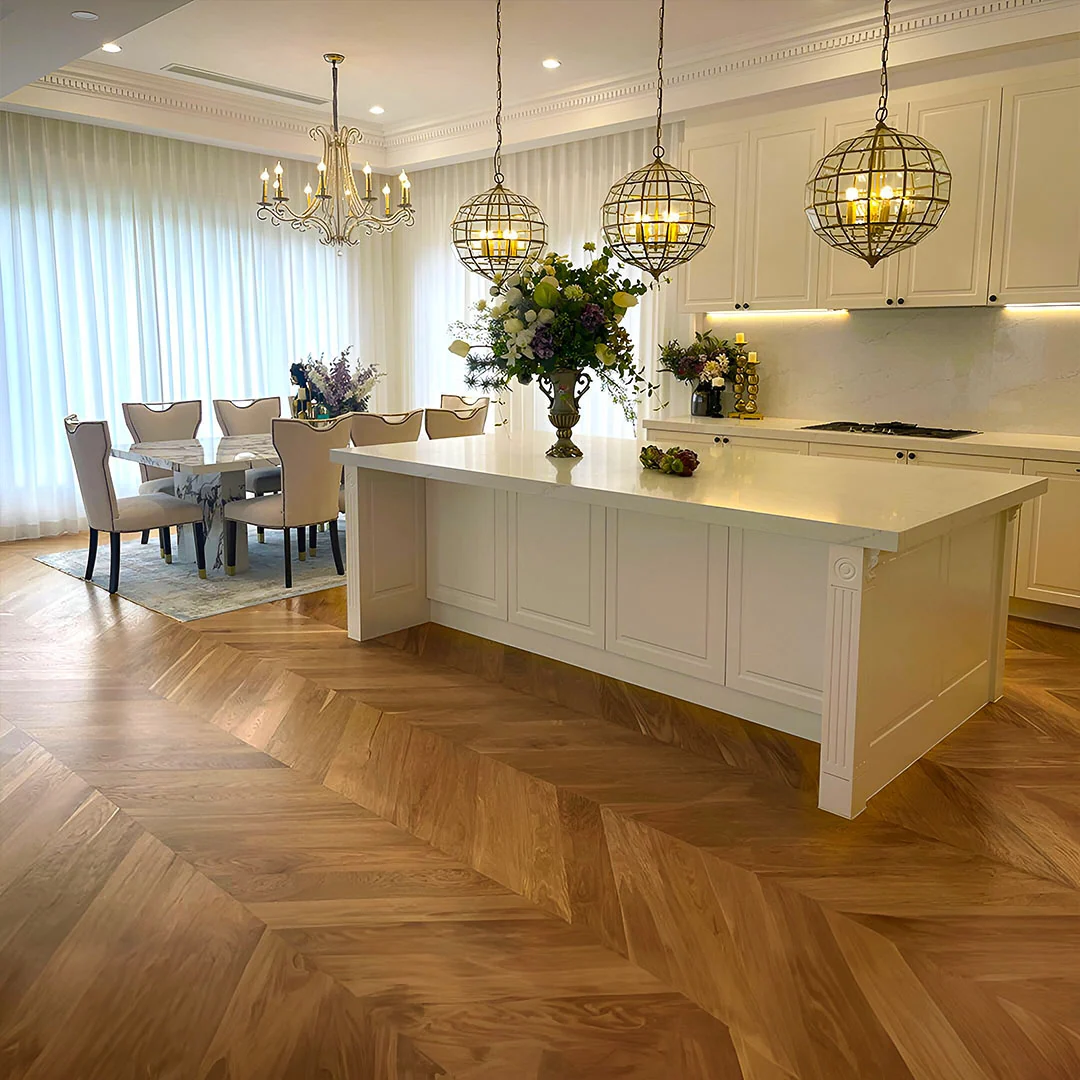
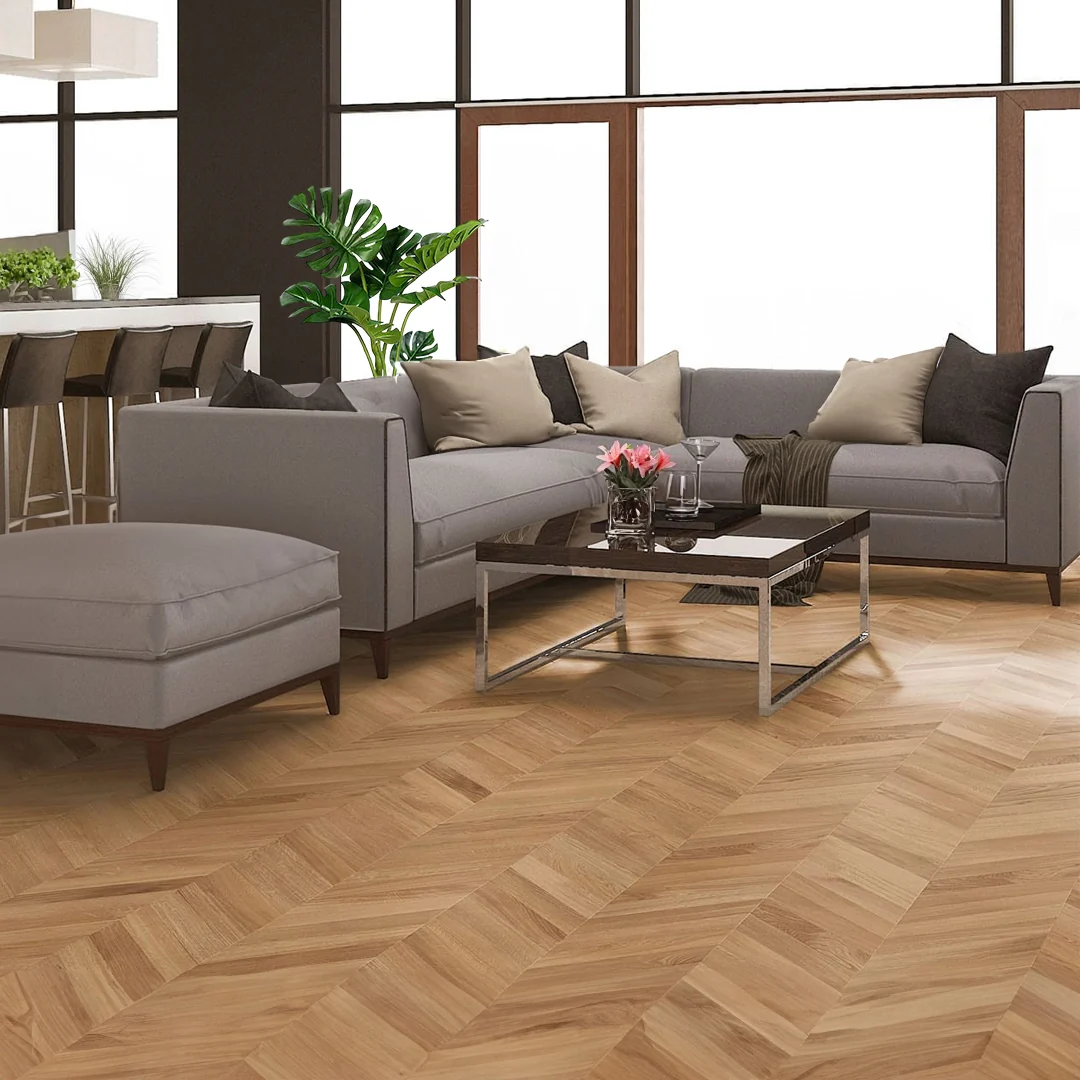
- Living and dining rooms, aligned with the main view or the longest wall.
- Boutique retail, hospitality and offices, where a strong pattern adds character.
Partner notes
- Set out a dead-straight centre line – every joint in the pattern aligns to it.
- Check the slab or subfloor is flat and dry before gluing. See installing parquet over a concrete slab.
- Allow extra material for perimeter cuts. See herringbone layout and waste – the same principles apply to chevron.
Downloads
Frequently asked questions
What is the difference between chevron and herringbone?
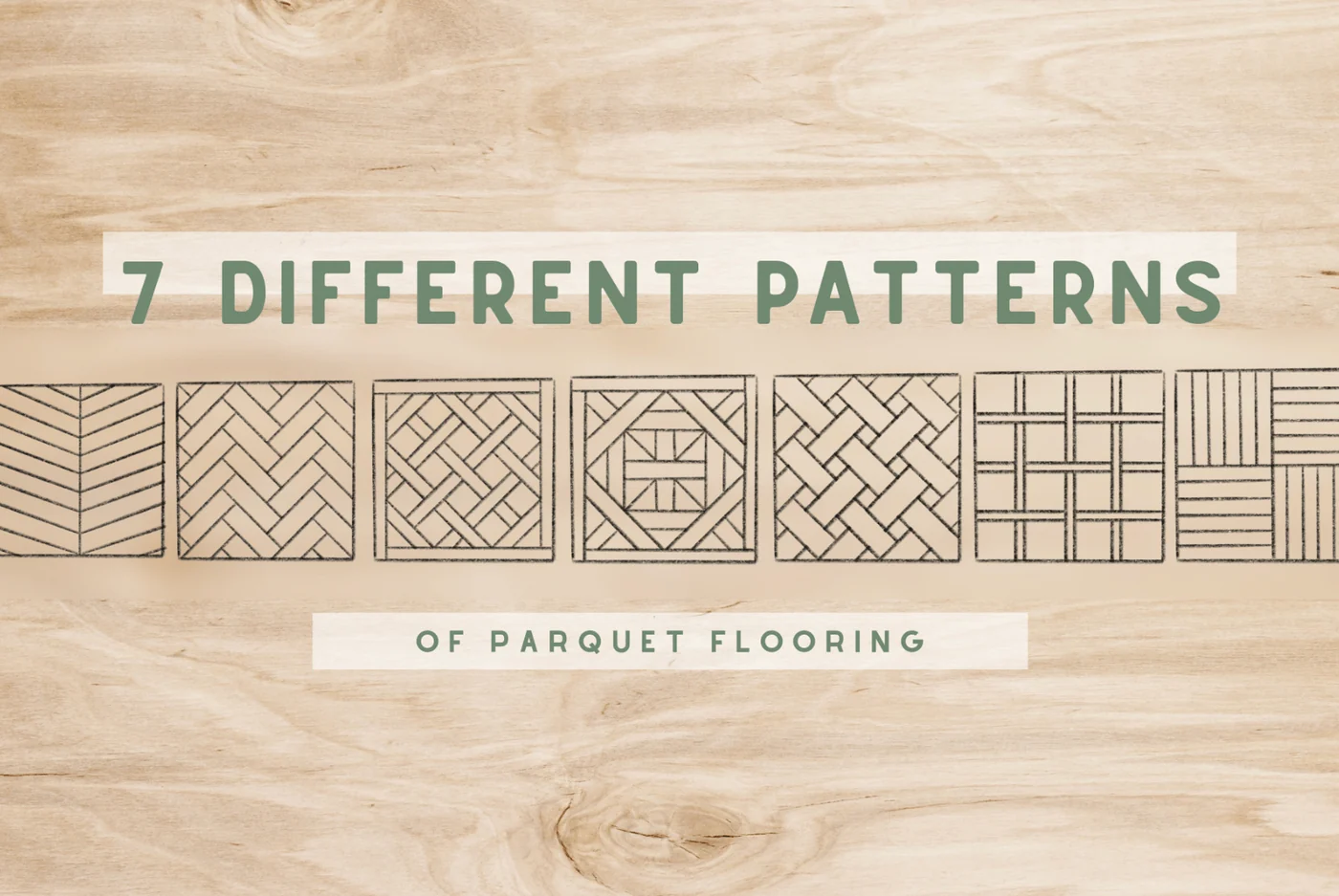
In herringbone, square-ended blocks meet end-to-side in a staggered zigzag. In chevron, the ends are cut at an angle, so blocks meet point-to-point in a continuous V. Chevron reads as cleaner and more directional. See herringbone vs chevron.
Is chevron harder to install than herringbone?
Chevron needs precise set-out because every joint lines up along the centre of the V, so any error is easy to see. Experienced parquet installers handle both. Labour for patterned floors is usually higher than for straight boards.
Which direction should chevron point?
Most designers run the V along the longest line of sight – down a hallway or towards a window or view – so the pattern draws the eye through the space.
Where can I buy Timbo chevron parquet?
Through a Timbo partner. Trade businesses can apply for wholesale pricing.